Guide
The Three Degrees of Craft Masonry
· 3 minute read
Craft Masonry, the Masonry of the ordinary lodge, has three degrees. A candidate is initiated as an Entered Apprentice, passed to Fellow Craft and raised to Master Mason. Each degree is a ceremony built around a lesson, and each hands the candidate new symbols, new working tools and a new way of seeing the lodge room he is standing in. What follows is the public outline that Grand Lodges themselves publish, and nothing of the ceremonies.
The Entered Apprentice
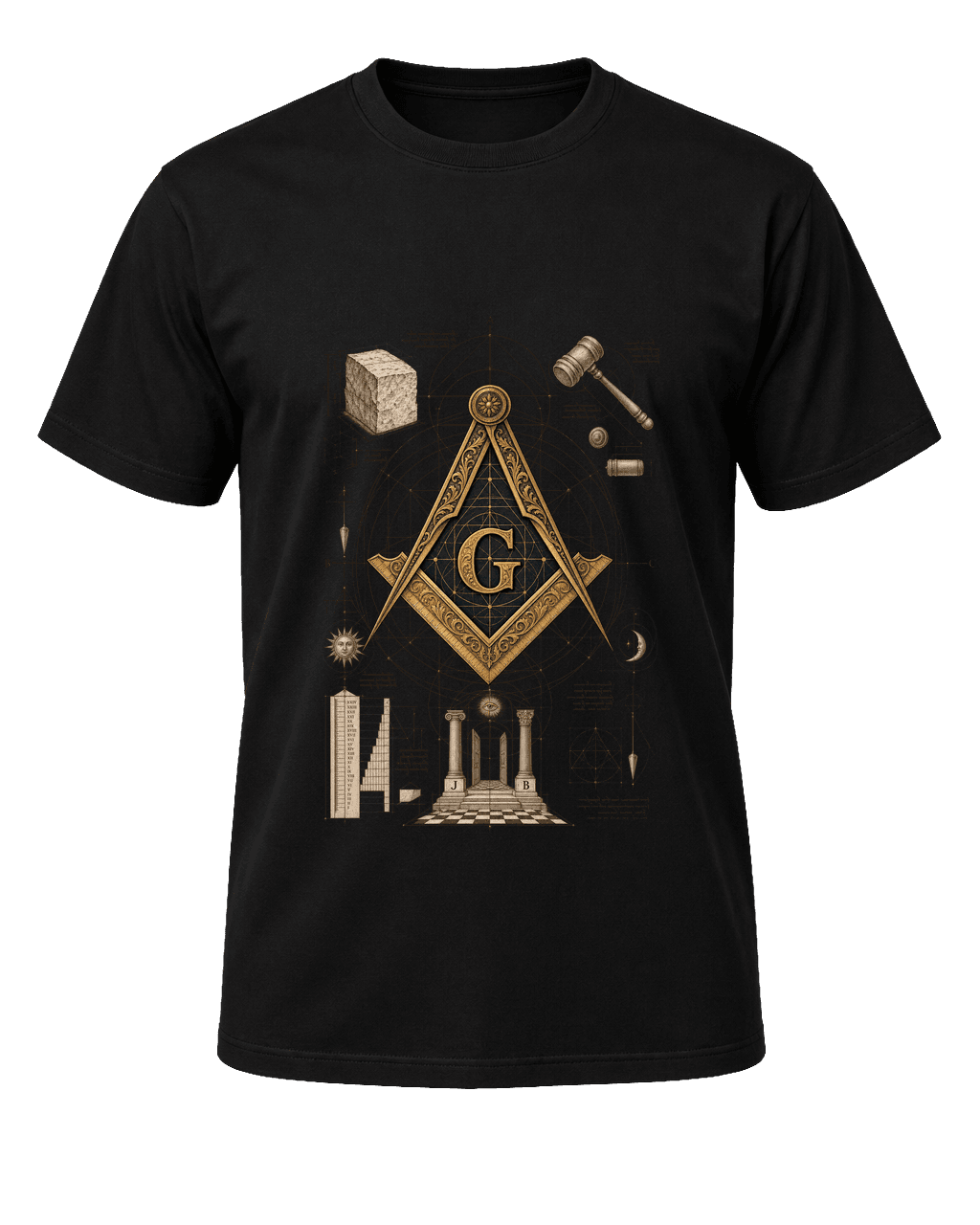
The first degree is a beginning. The Apprentice is shown the lodge, the mosaic pavement and the two pillars at the porch, and given the twenty four inch gauge and the common gavel, the tools for measuring his time and knocking the rough edges off himself. He receives the white lambskin apron, which he is told is more ancient than any other badge of honour. The lessons of the degree are charity, secrecy in the sense of discretion, and the duty a man owes to God, his neighbour and himself.
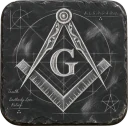
In the emblem of the degree both points of the compasses sit beneath the square.
The Fellow Craft
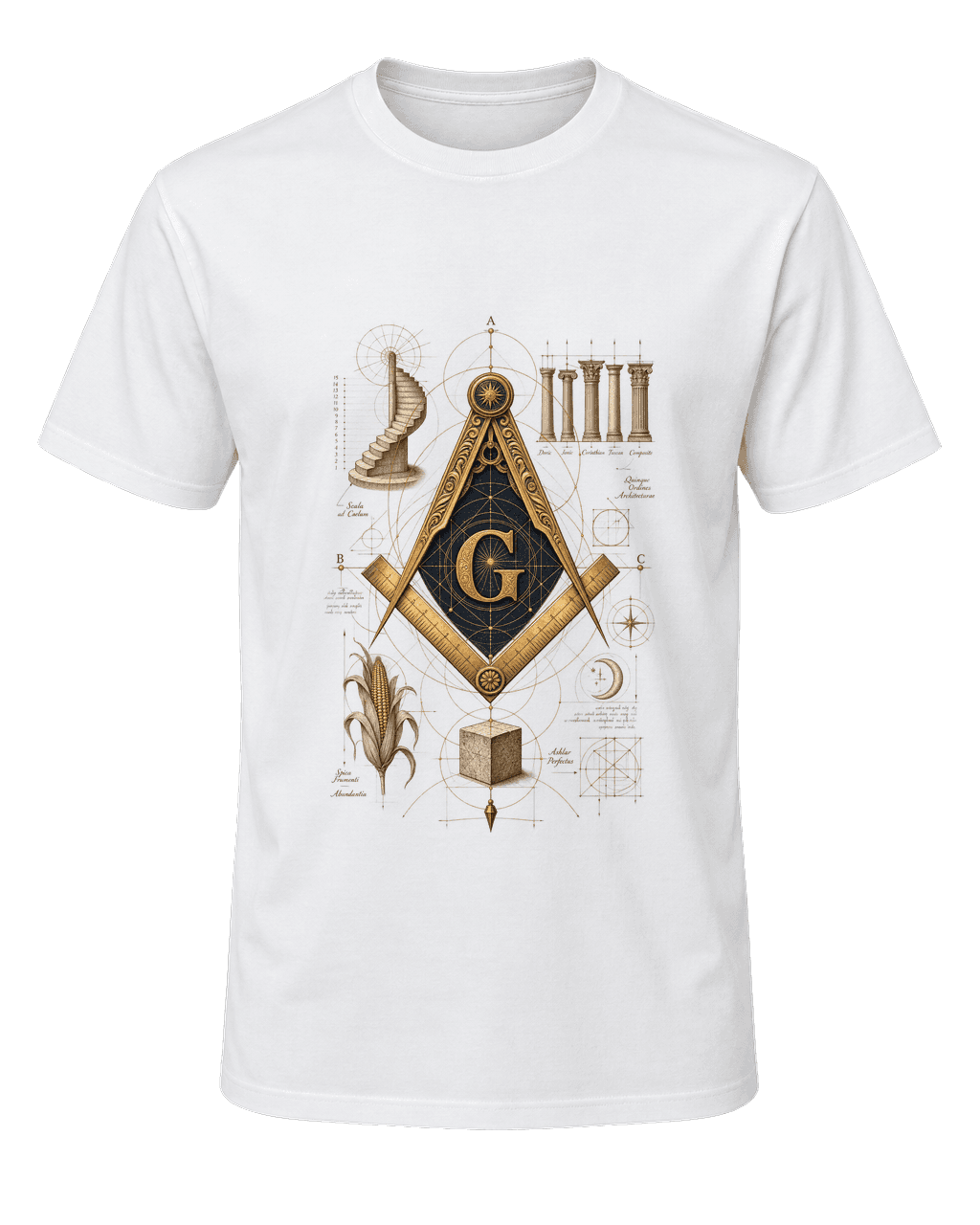
The second degree is an education. The Fellow Craft passes between the pillars and climbs the winding staircase of three, five and seven steps to the middle chamber of the temple, and on the way he is taught the five orders of architecture and the seven liberal arts and sciences, with geometry held highest among them. His tools are the square, the level and the plumb. His wages, in the old language of the degree, are corn, wine and oil.
In the emblem of the degree one point of the compasses is above the square and one beneath.
The Master Mason
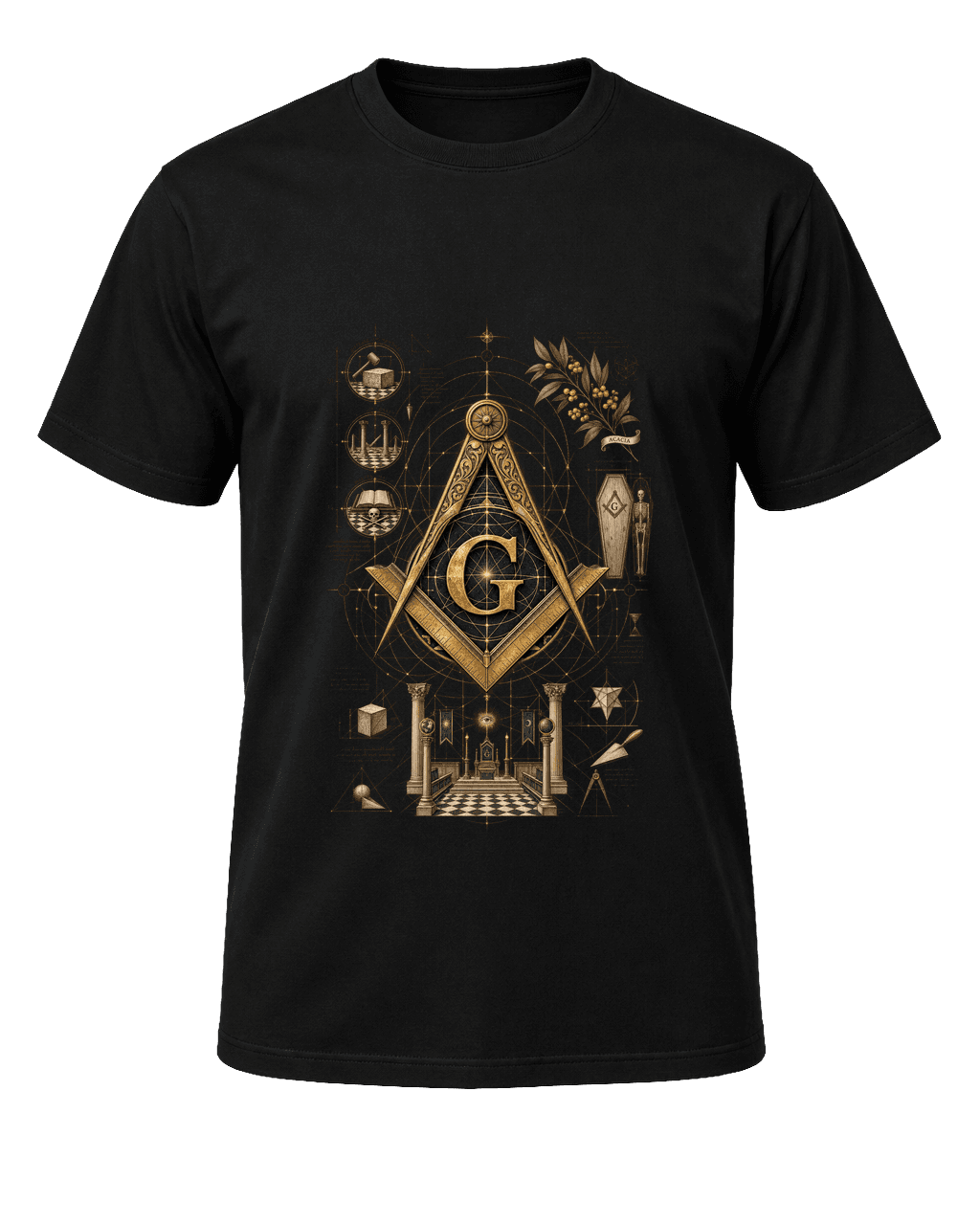
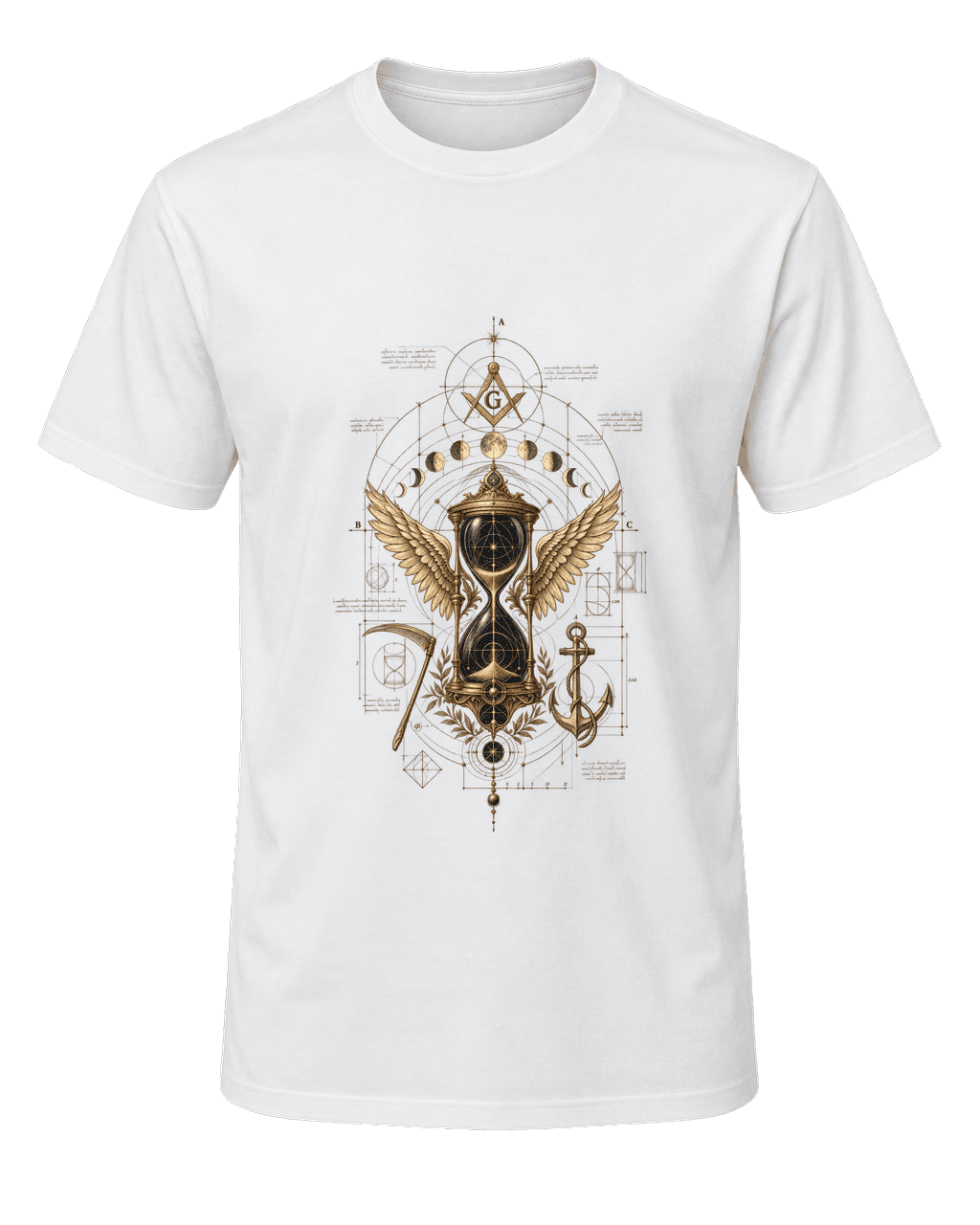
The third degree is the completion of the work. Its central drama concerns Hiram Abiff, the master builder of Solomon's Temple, and its lessons are fidelity and the immortality of the soul. The emblems of the degree are the ones that speak of time and what comes after it: the sprig of acacia, the hourglass, the scythe, and the anchor and ark. The Master Mason's tool is the trowel, for spreading the cement of brotherly love.
In the emblem both points of the compasses are above the square, and this is the emblem most Masonic art shows.
The highest degree
Master Mason is the highest degree in Freemasonry. The York Rite and the Scottish Rite confer further degrees, and the Scottish Rite numbers its own up to the thirty third, but they are further, not higher. A thirty second degree Scottish Rite Mason holds no rank over a Master Mason in the lodge, and every one of them had to be a Master Mason first. The numbering confuses everyone outside the fraternity and a fair few inside it.
How long it takes
That depends on the lodge and the jurisdiction. A candidate usually shows proficiency in one degree before taking the next, and most lodges confer degrees a month or more apart, so a man commonly goes from petition to Master Mason in somewhere between a few months and a year. Some jurisdictions run one day classes, and others take the slow road on principle.
In our designs
The Square and Compasses collection carries one plate for each degree, drawn with the compass points in the arrangement of that degree and the degree's own tools and emblems in the margins. The Master Mason plate is the one to give a brother the night he is raised.
Questions
- What is the highest degree in Freemasonry?
- Master Mason, the third degree of Craft Masonry. The York Rite and Scottish Rite confer further degrees, but none outranks a Master Mason in the lodge, and every one of their members was a Master Mason first.
- What does it mean to be raised in Freemasonry?
- Raised is the term for receiving the third degree and becoming a Master Mason. A candidate is initiated as an Entered Apprentice, passed to Fellow Craft and raised to Master Mason.
- How long does it take to become a Master Mason?
- Commonly between a few months and a year, since most lodges ask for proficiency in one degree before the next. It varies by lodge and jurisdiction.