Guide
What the Square and Compasses Mean
· 3 minute read
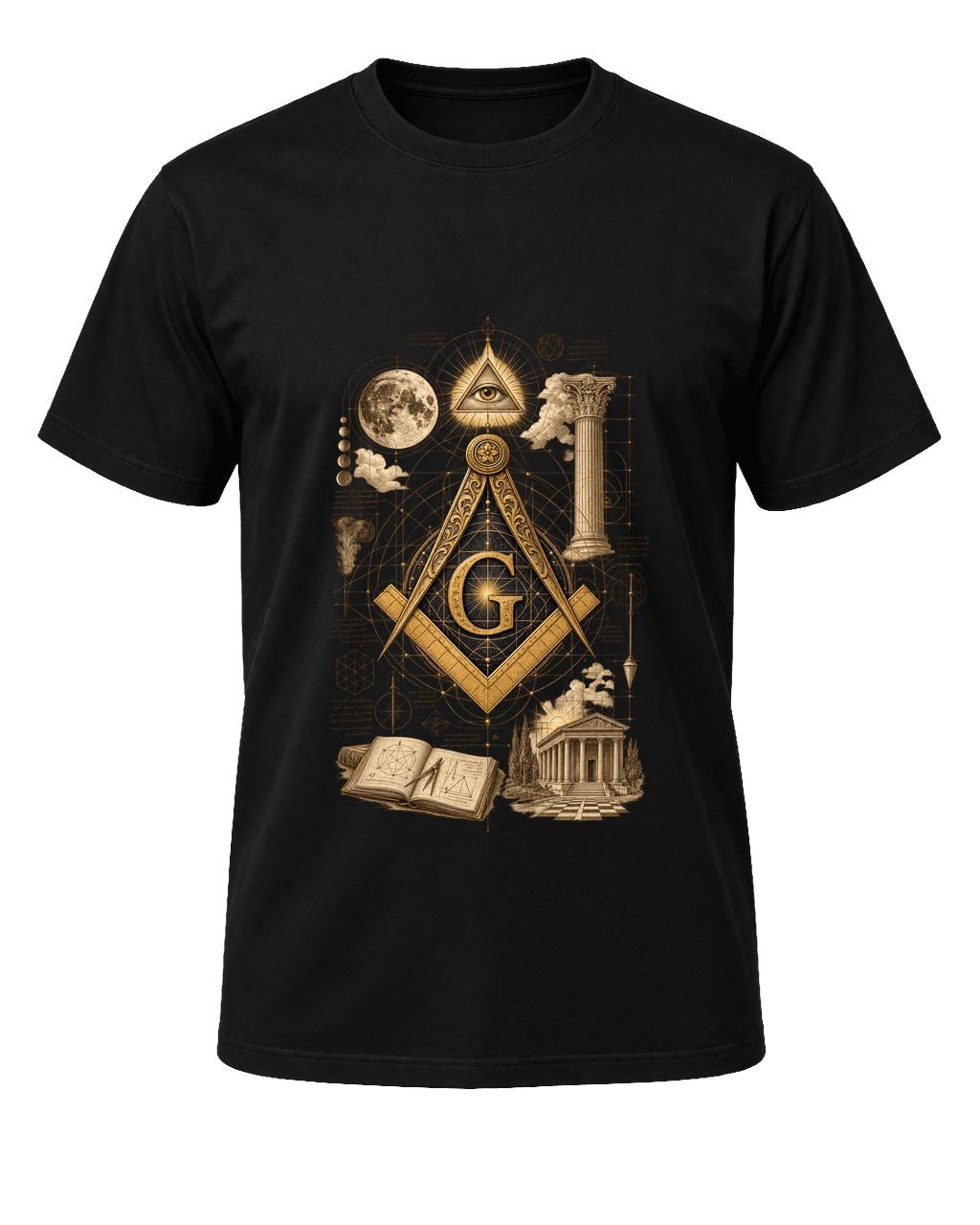
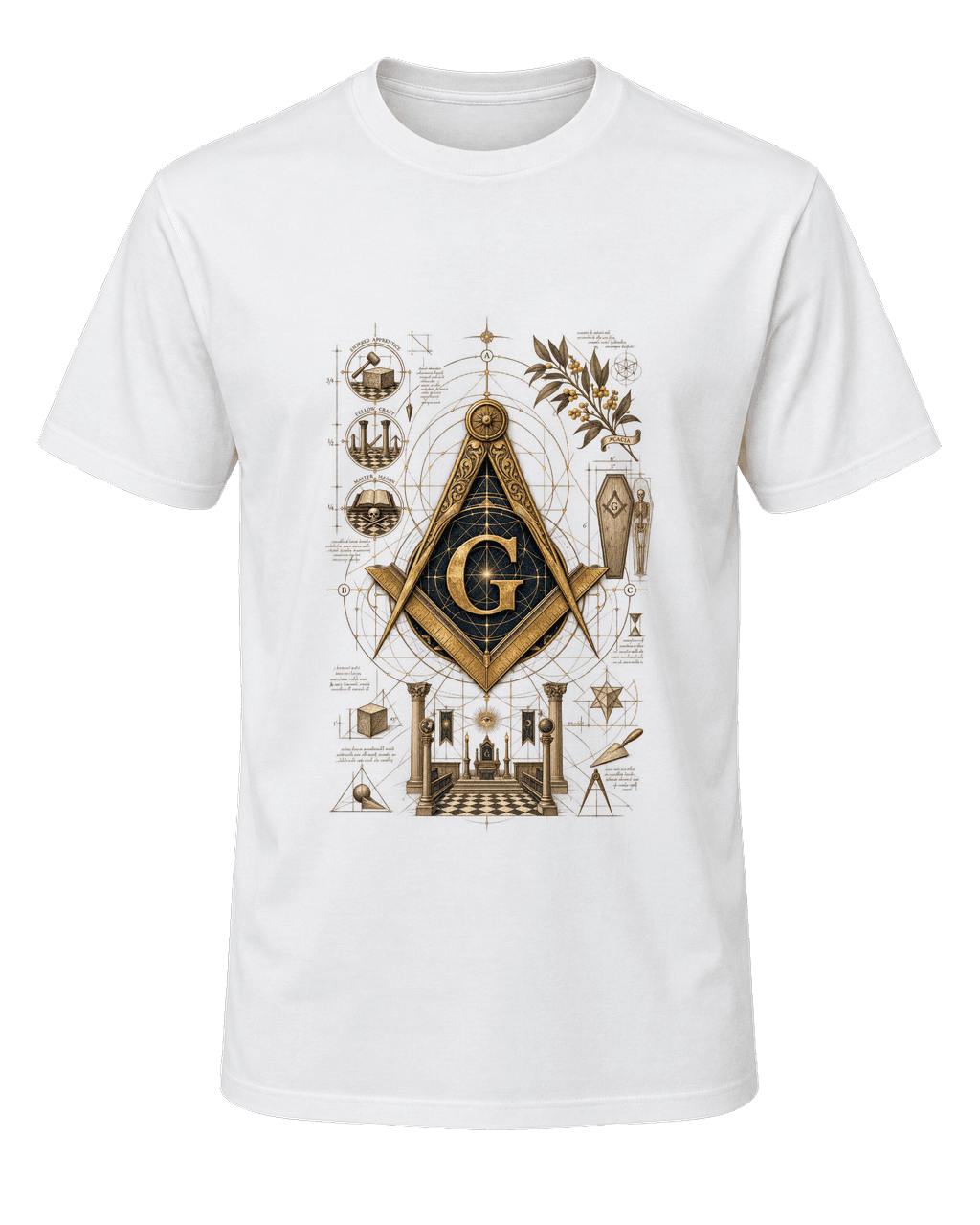
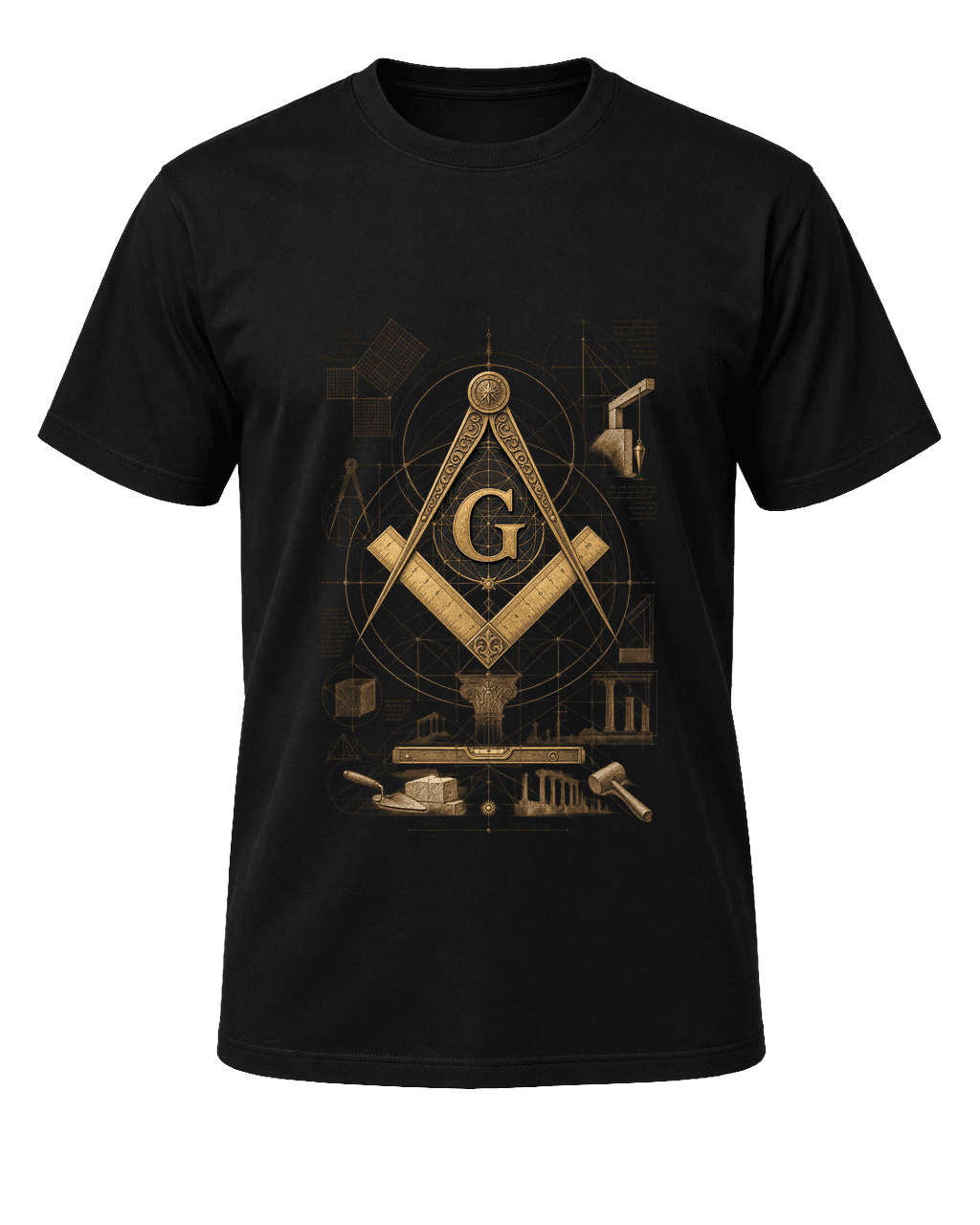
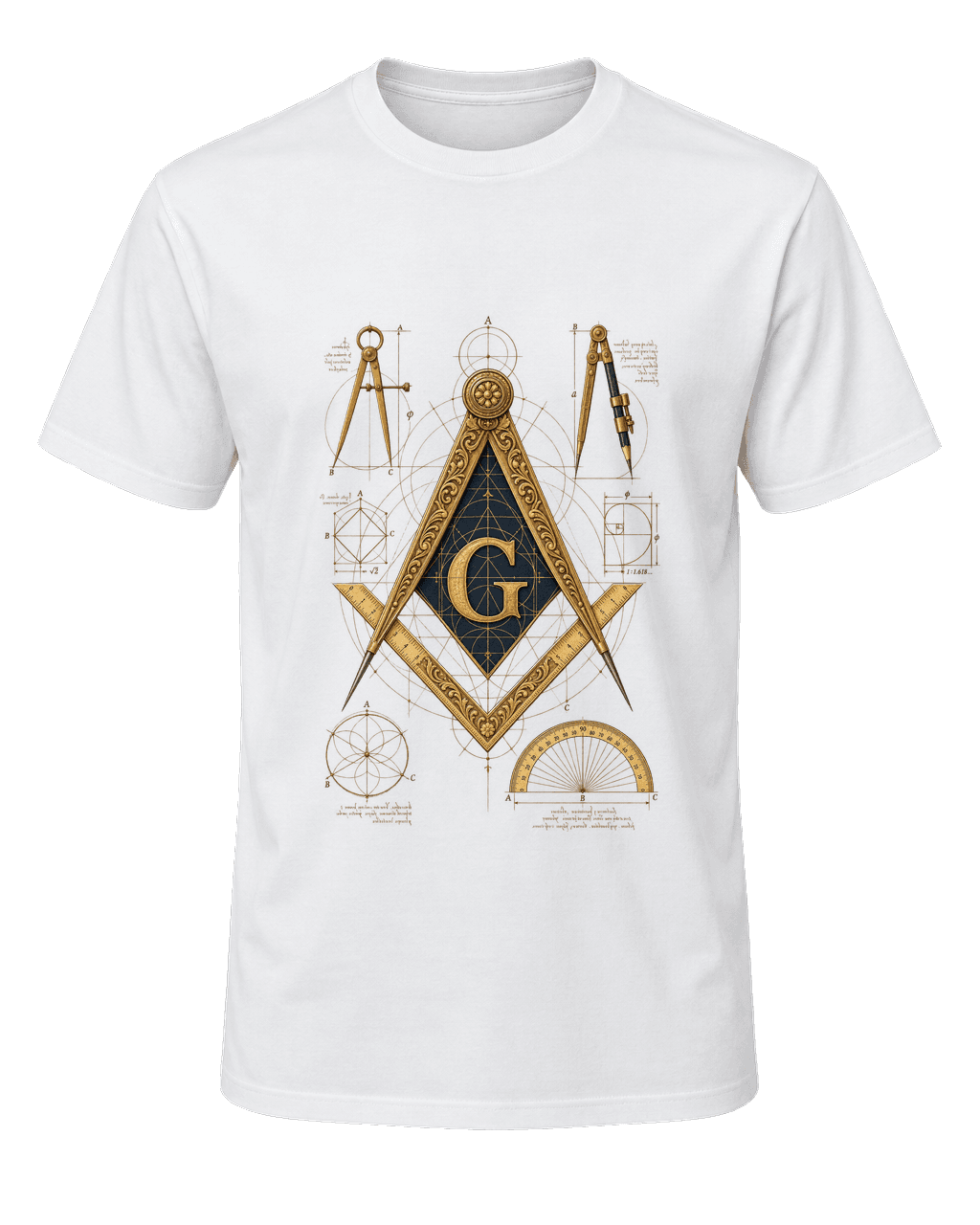
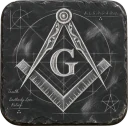
The square and compasses is the one Masonic symbol everybody recognises, on a ring, a lapel pin, the side of a lodge building or a shirt. It is two working tools of the stonemason laid one over the other, and every part of it carries a lesson that a new brother hears in his first degree.
The tools are real. A square is the L shaped instrument a mason uses to test that a stone is true. The compasses are the hinged instrument a draughtsman uses to strike a circle. Speculative Masonry, the fraternity rather than the trade, took both and made them figures of conduct.
The square
The square sits at the bottom of the emblem with its right angle pointing down and its two arms rising. In the lodge it is the emblem of morality. A brother is taught to square his actions by the square of virtue, which is to say to deal with everyone straight, the way a true square proves a straight stone.
The phrase has passed into ordinary English. When someone gives you a square deal or acts on the square, they are using the Mason's figure whether they know it or not.
The compasses
The compasses sit at the top, hinge upward, legs opening down over the square. In Masonic teaching they are the emblem of restraint. A brother is told to circumscribe his desires and keep his passions within due bounds, the way the compasses fix the limit of a circle and let nothing stray past it.
Together the two tools make a sentence. Act straight, and keep yourself within limits. That is the whole emblem in a line.
The letter G
American lodges, and most lodges outside England, put a letter G in the centre. It stands for Geometry, the science the operative craft was built on and the one the fraternity holds up as the pattern of order in the world, and for God, the Grand Architect of the Universe, whom every Mason is required to believe in whatever his religion.
English lodges usually leave the G out, so an emblem without it is not wrong, only from a different tradition.
Why the points move
Look closely at two emblems and the compass points may sit differently against the square. In American practice the arrangement tells you which of the three degrees is being worked. In the first degree both points of the compasses are beneath the square, in the second one point is above it, and in the third both points are above. The compasses, the emblem of restraint, gain precedence as a brother advances.
A design for a Master Mason therefore shows both points over the square. Ours are drawn that way unless a design is named for another degree and says so.
Who wears it
The emblem is understood as a statement of membership. A Mason wears it to be known by other Masons, and family often wear it with pride for a father or grandfather. Nothing forbids anyone from wearing it, but it invites the question, and the honest answer is the only one worth giving. We wrote a separate guide on that question for partners and friends.
Questions
- What does the square and compasses symbolise?
- The square is the emblem of morality, teaching a Mason to deal straight with everyone. The compasses are the emblem of restraint, teaching him to keep his passions within due bounds. Together they are the emblem of Freemasonry.
- What does the G in the Masonic symbol stand for?
- In American usage the G stands for Geometry, the science the operative craft was founded on, and for God, the Grand Architect of the Universe. English lodges usually omit the letter.
- Why are the compass points sometimes above the square and sometimes below?
- In American practice the arrangement shows the degree. Both points beneath the square is the first degree, one above is the second, and both above is the third, the Master Mason.